
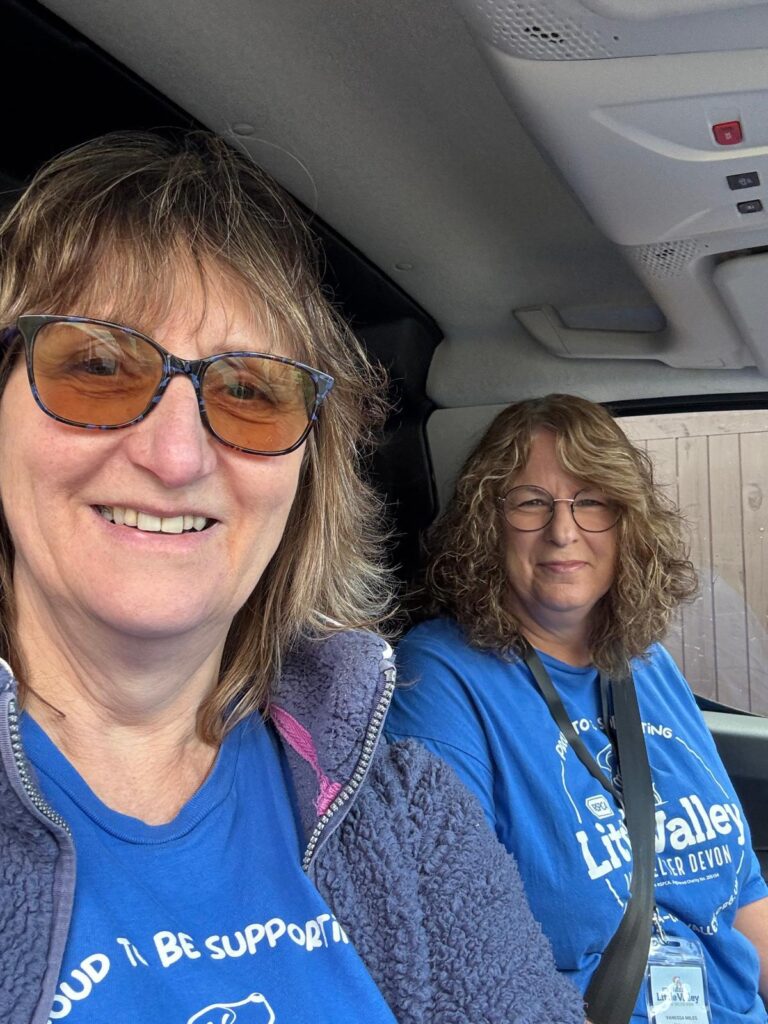
Every Monday morning, Katie and Vanessa are on the move. Both retired, or easing into retirement, they have spent the past two years volunteering their time to support Little Valley, driven by a shared passion for animal welfare.
“We wanted to use our free time to support something we both feel strongly about,” they explain.
Their day starts at 10.45am, collecting the shelter van, loading up empty boxes, and picking up a shopping list from the team. From there, they follow a well-practised route, visiting supermarkets and pet stores across the region, collecting donated food, toys and treats while also buying essential items needed for the animals.
“It could be bedding, specialist food, or enrichment items like chews and puzzle feeders. It all depends on the animals in our care.”
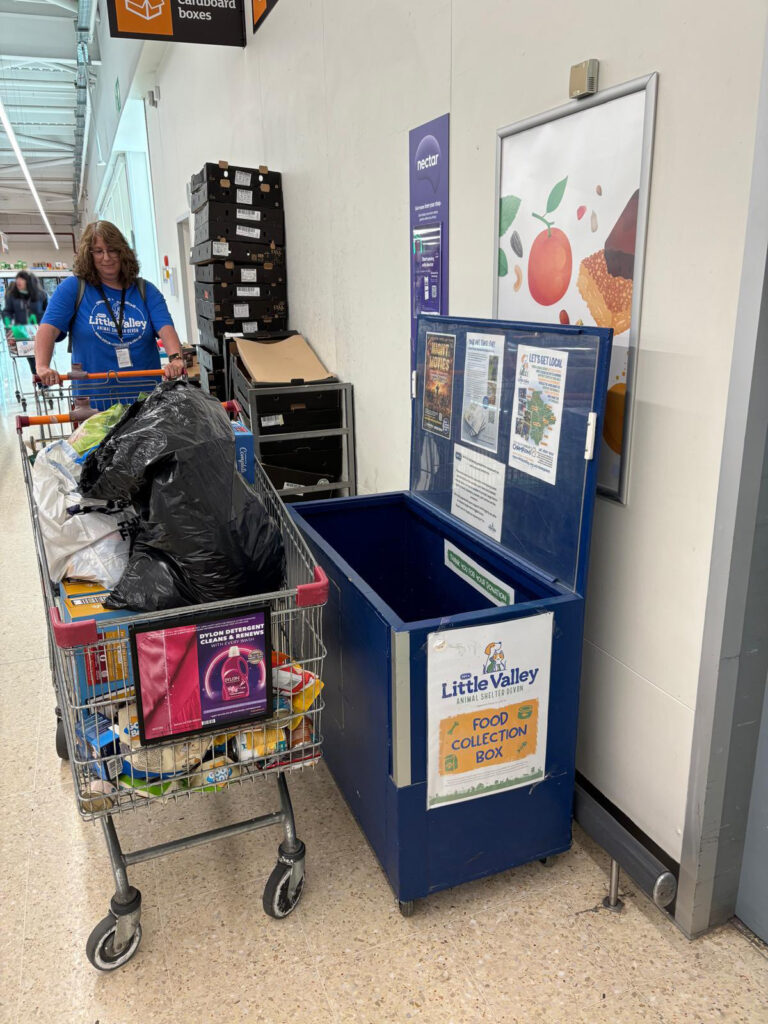
Back at the shelter, everything is sorted and stored, ready to be used where it is needed most.
The impact of those weekly collections is significant. “The donations really help offset the running costs of the shelter. We know how expensive it is to keep Little Valley going, and these kind donations from everyday people make all the difference.”
Just as importantly, their work saves valuable time. By handling collections and shopping, they free up animal care staff to focus on the animals themselves.
For Katie and Vanessa, it is not just about logistics. It is about connection. “We meet so many people while we’re out, especially dog walkers who recognise the van. Lots of them have adopted from Little Valley, so it’s always nice to chat.”
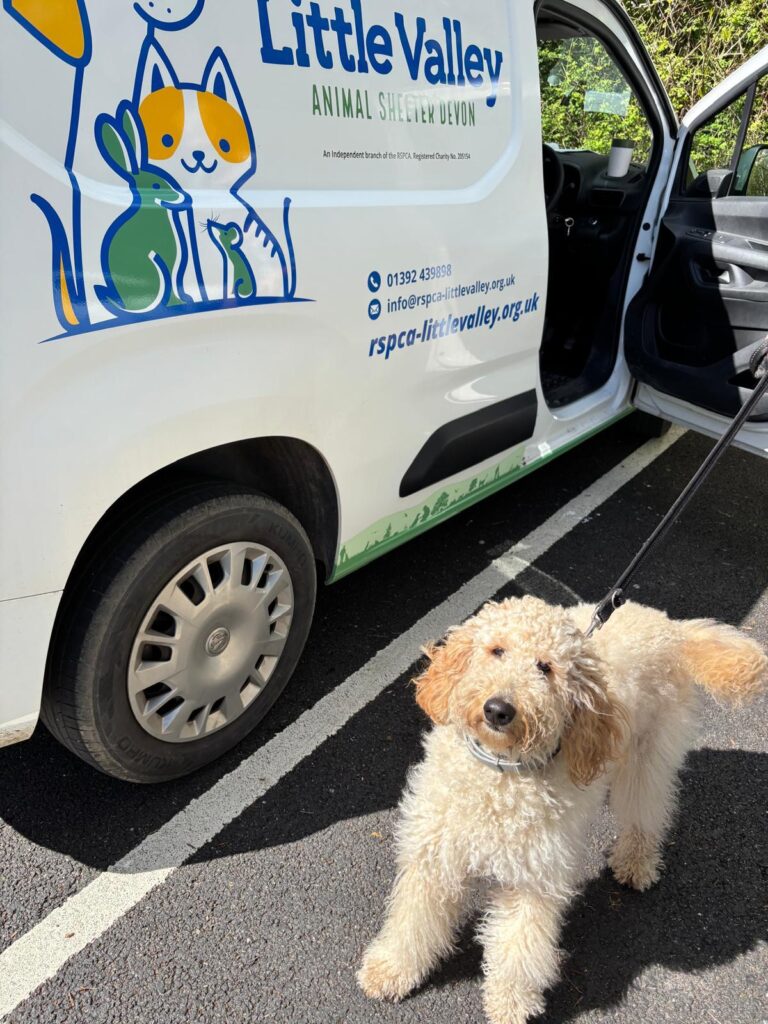
One moment stands out in particular. “We found a long-haired cat called Lola straying in a supermarket car park. We were able to get her scanned and safely reunited with her owners. That felt really special.”
There are challenges, of course. Rainy days make things harder, trying to keep everything dry while loading the van and not getting soaked in the process. But what continues to surprise them most is the generosity of the public.
“The donation bins are always full. Even during a cost of living crisis, people still find a way to give something. It’s incredibly humbling.”
When it comes to donations, unopened food and treats are always the most helpful, along with everyday essentials like poo bags. There are, however, some items the shelter cannot accept.
“We can’t take opened bags of food or litter. Even if there is nothing wrong with it, we can’t guarantee it hasn’t been contaminated, so we have to put the animals’ safety first.”
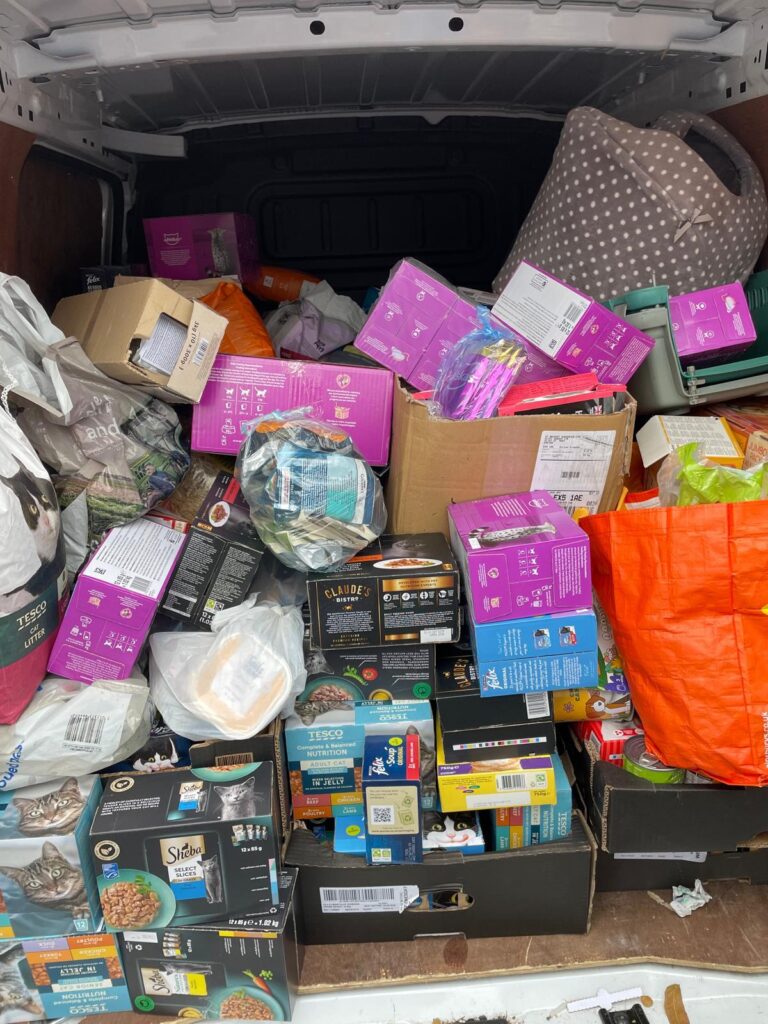
Some food may also be unsuitable for animals with specific dietary needs, but nothing goes to waste. Anything the shelter cannot use is passed on to local food banks, helping animals and families in need.
Their message to the public is simple. “First of all, yes please.” They encourage people to ensure donated items are clean, in good condition, unopened and in date, and to avoid leaving anything that requires refrigeration in donation bins.
And for anyone thinking about volunteering? “Go for it. There are so many ways to help, and every role makes a difference. But you can’t have our job! We love it too much.”