
By Millie Heath, Community Animal Welfare and Outreach Officer
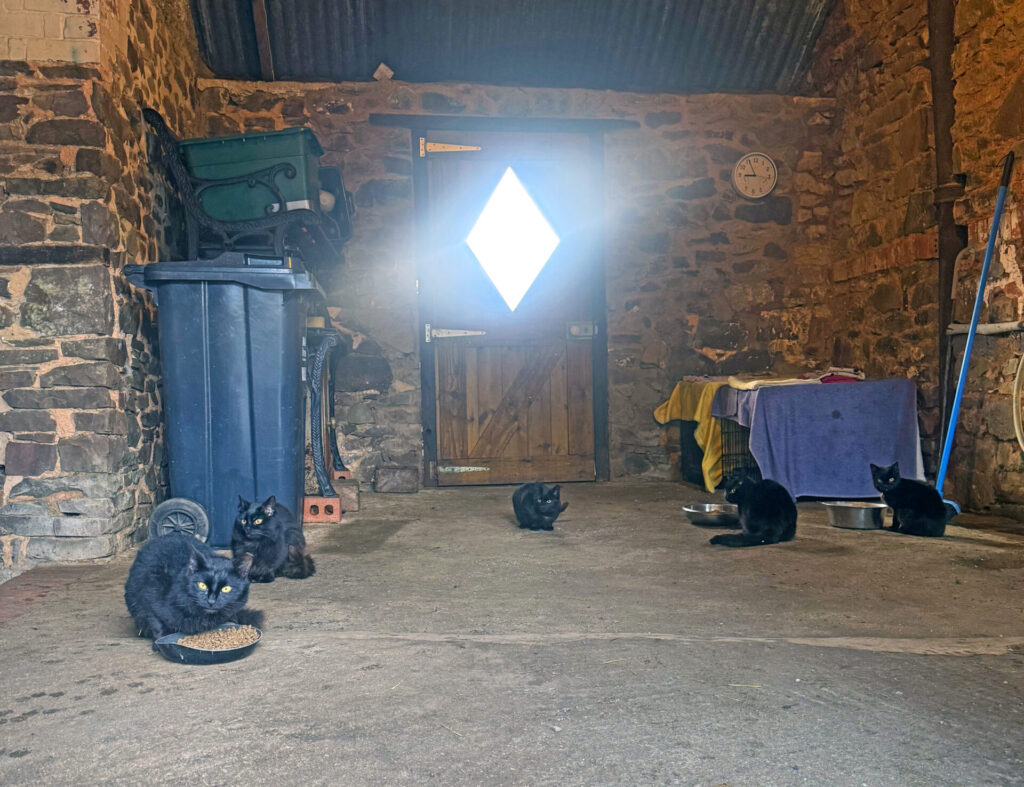
Feral cats often live completely out of sight, tucked away in barns, sheds, and farmyards. They survive as best they can, but without intervention, they can quickly become part of an endless cycle of breeding, illness, and suffering.
Cats can become pregnant from as young as four months old, and with multiple litters each year, numbers can escalate very quickly. Alongside that comes a higher risk of disease, infection, and sadly, high kitten mortality rates.
That is where our Trap, Neuter, Return programme makes such a difference.
My role is to step into these situations, humanely trap the cats, take them for neutering and either return them to the environment they know, or find an alternative suitable placement for them. It helps stabilise populations, reduces the spread of disease, and gives these cats a much better chance of living healthier lives.
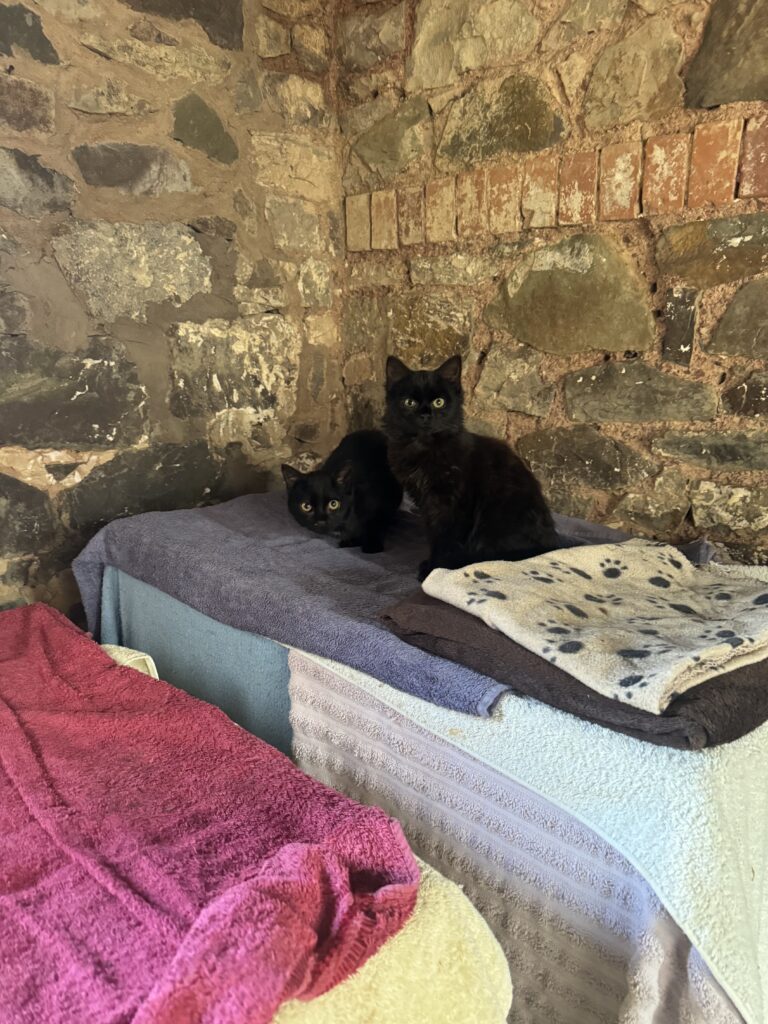
Recently, I visited a local farm after a report of a stray cat. What I found were around thirty unneutered cats living on site. With the farmer’s support, we began a full Trap, Neuter, Return programme.
So far, we have neutered and returned thirty two cats, with a few more still to come once kittens are old enough to be safely separated from their mums.
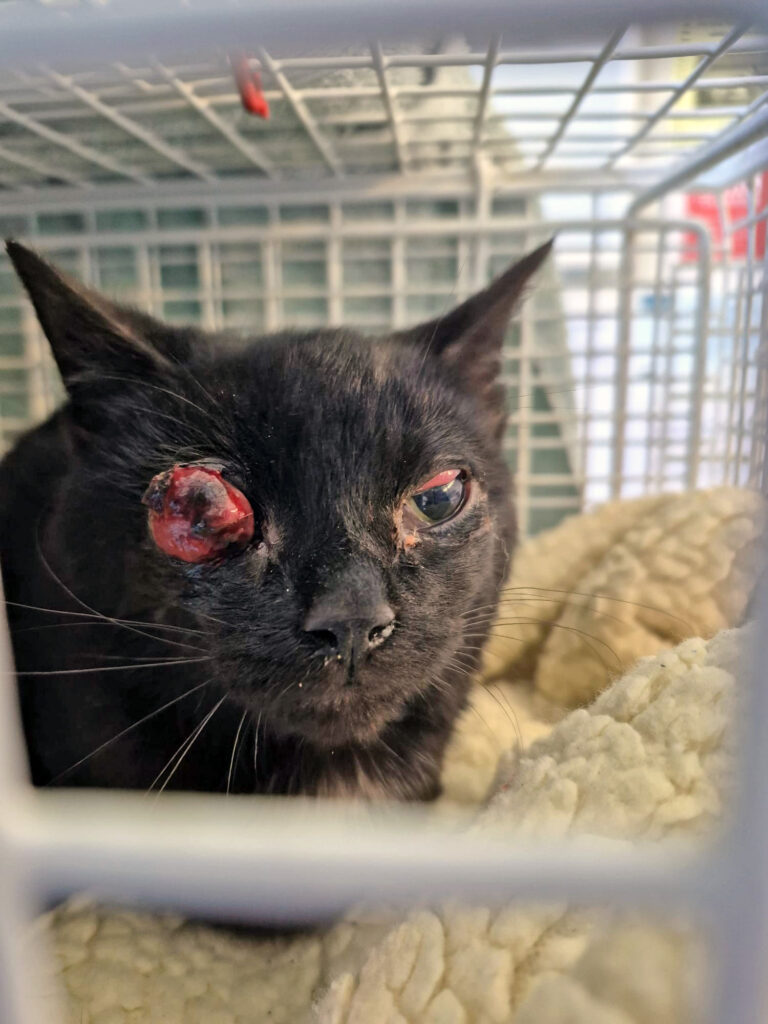
One of those kittens was a small black cat I later named Sparrow. He had a severe eye injury and was hiding in a shed. I managed to trap him and get him straight to the vets, where his eye had to be removed.
I then fostered Sparrow myself while he recovered. He needed time, care, and close monitoring, but slowly his confidence grew. Seeing him go from that condition to now living happily in a home is something I will never forget.
Not all of the cats I find are truly feral. Some kittens and even adult cats can be handled, especially if they have had some early human contact. Where possible, I will foster kittens to give them the best chance of becoming rehomable pets.
From this farm, cats like Robin and Starling were unwell but friendly, so we brought them into Little Valley’s care. Robin has since been rehomed, and Starling is now looking for a home.
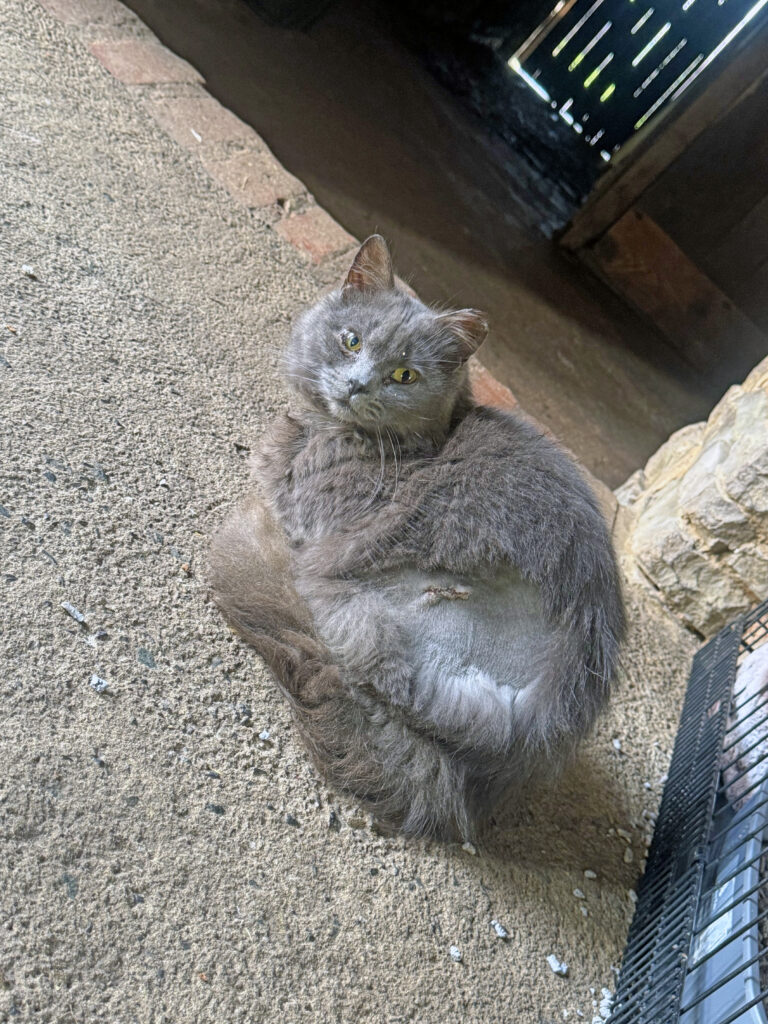
For the remaining cats, returning them to the farm was the right outcome. They now live in a managed environment with shelter, space, and ongoing care, without contributing to further overpopulation.
Trap, Neuter, Return work is not always seen, but it is vital.
Every cat we neuter prevents more suffering before it begins, and every kitten we can help gives another animal the chance of a different life.
If you, or someone you know, is struggling with a colony of unneutered feral cats, please do get in touch with us. We can offer advice and, where possible, support through our Trap, Neuter, Return programme.
We are also always looking for suitable rural homes for feral cats. They can make excellent farm or yard cats, helping to keep pests under control. If you think you could offer a safe environment, please complete a Perfect Match form and let us know you are interested in rehoming feral or farm cats.